Line Voltage Thermostat Wiring Diagram & OEM Installation Guide
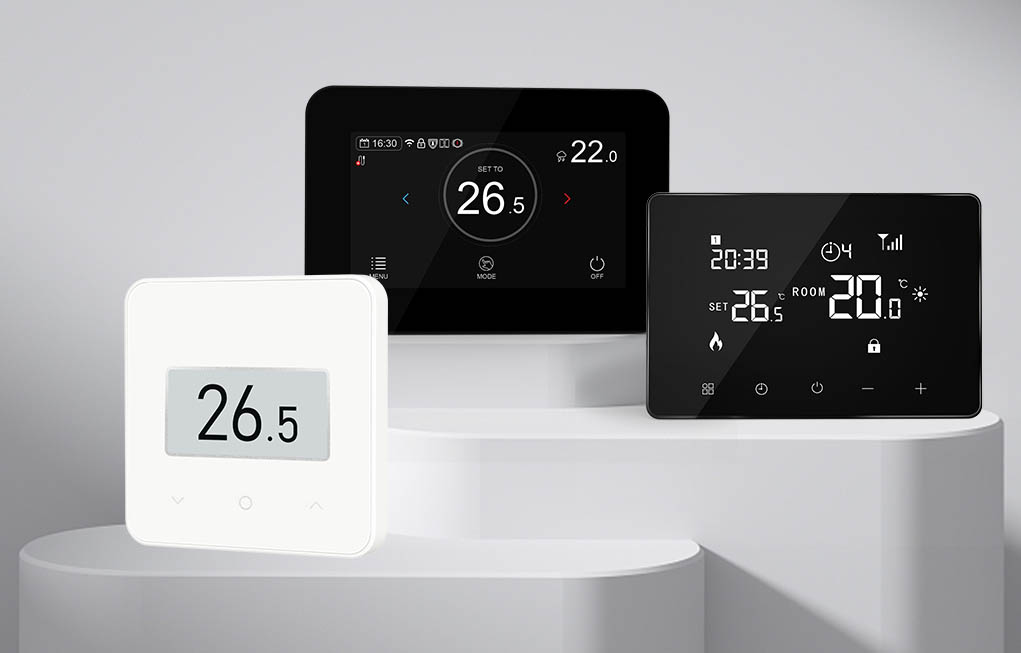
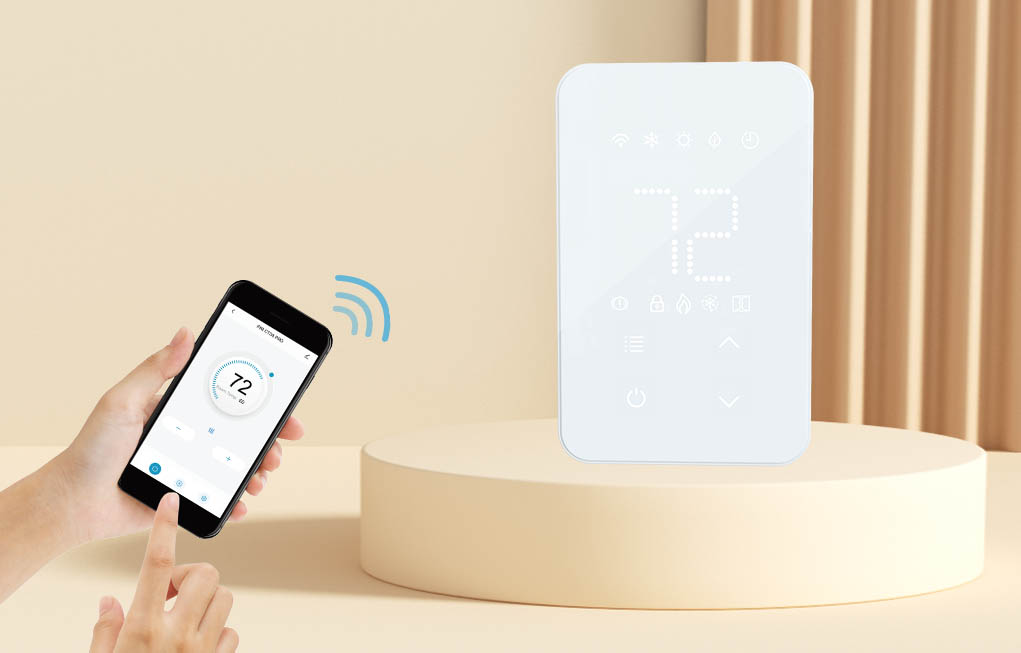
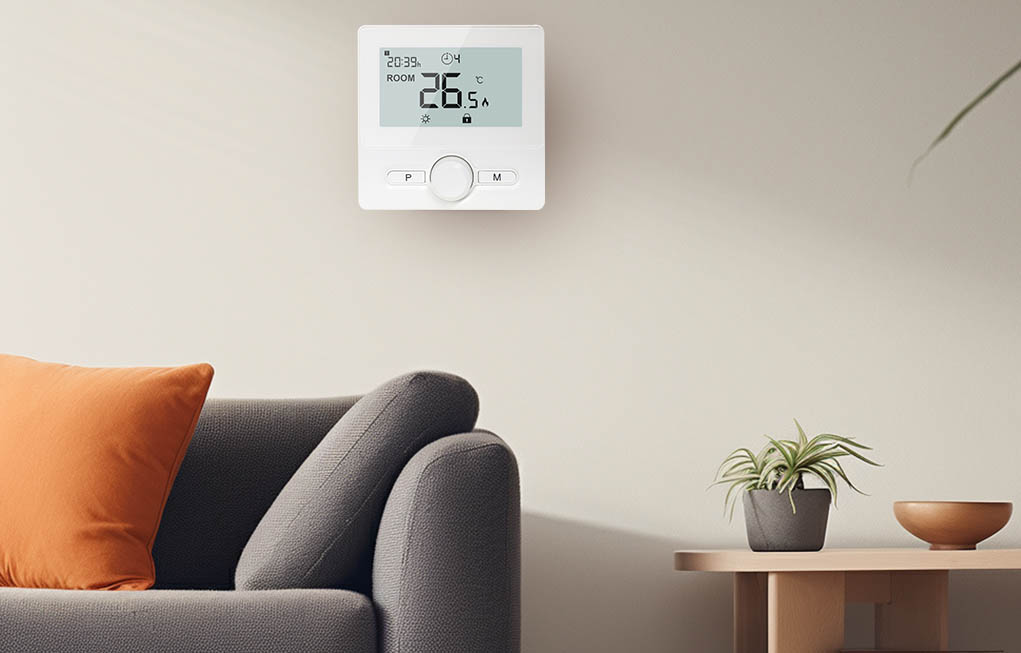
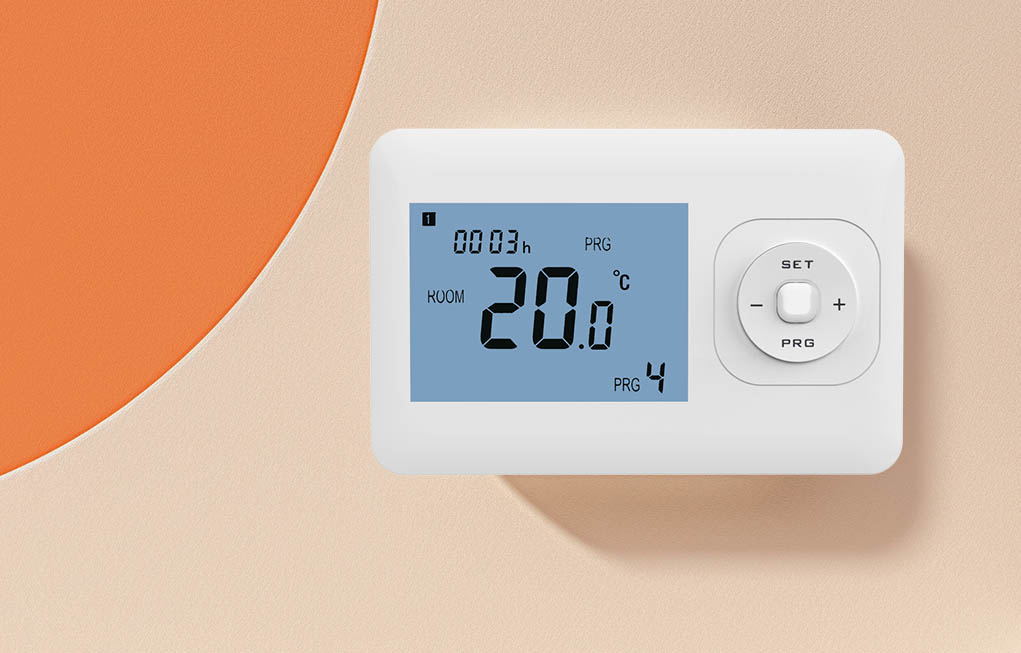
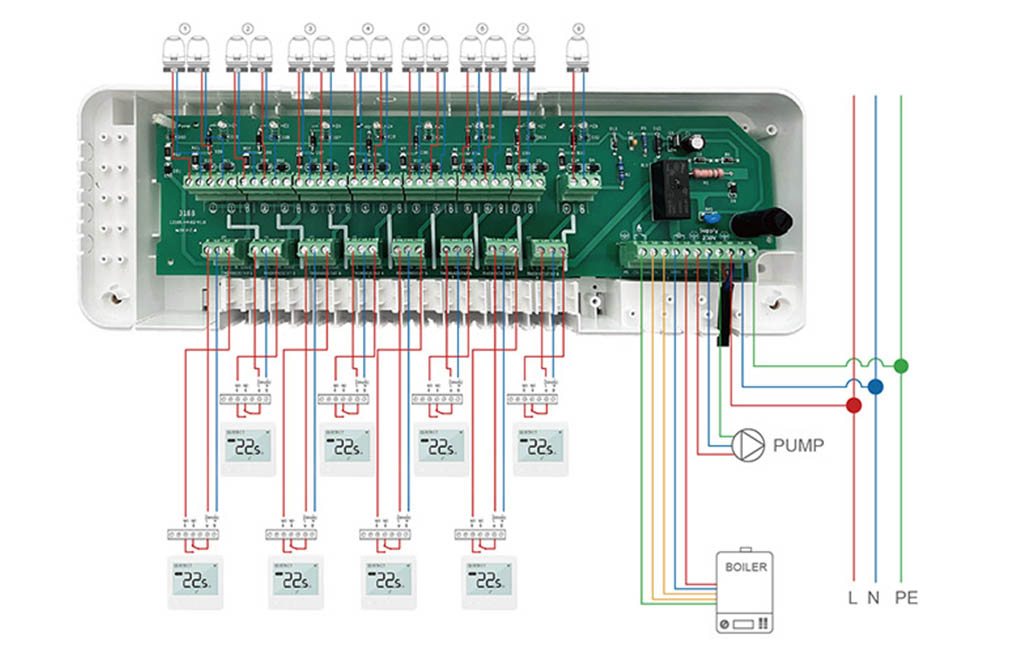
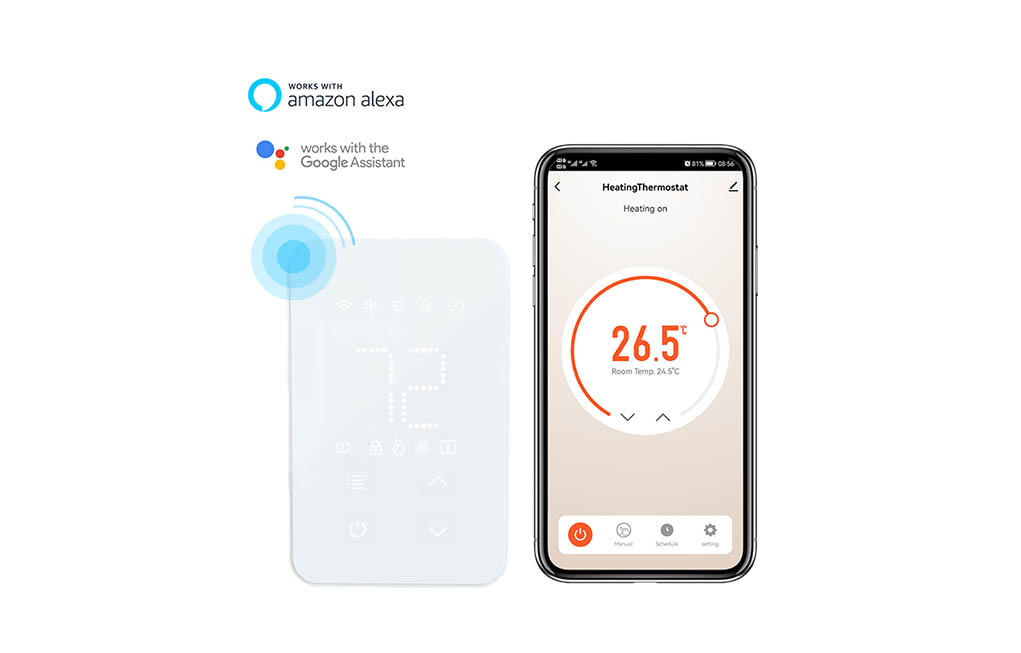
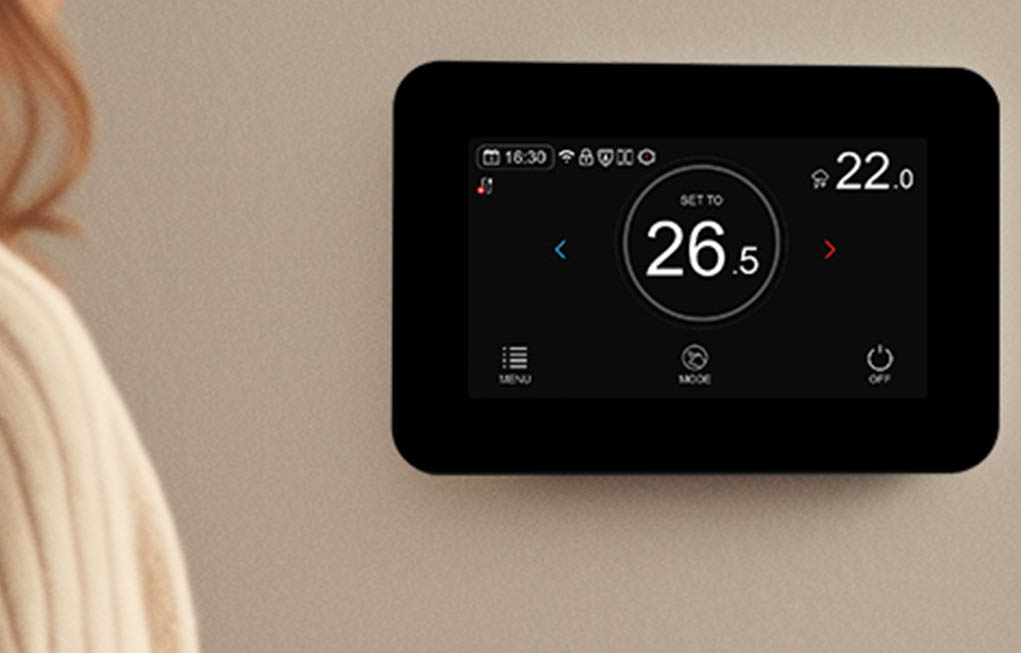
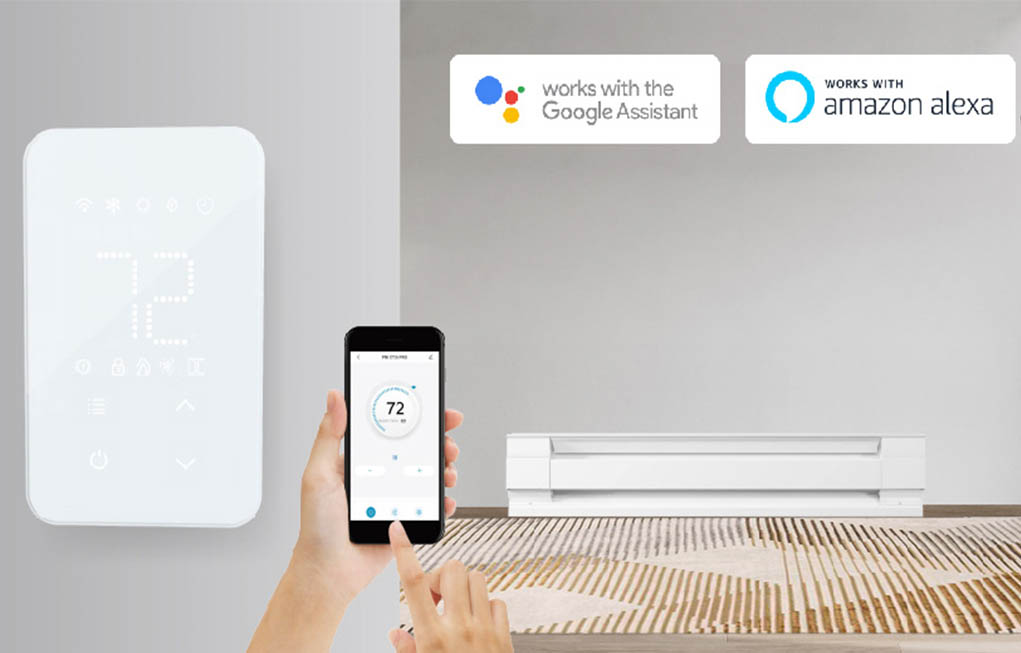
Efficient Temperature Control with HT-65 Line Voltage Thermostat In electrical heating systems, ‘line voltage’ refers to the amount of voltage running through an electrical heater. For line voltage systems, this is 120~ 240 volts of electricity. Most electrical appliances can handle 120V-240V of electricity, which is why most (pretty much all) appliances work straight out of the box. As an experienced HVAC OEM/ODM manufacturer, E-TOP Controls offers fully customizable line voltage thermostats with private labeling, custom firmware, and proprietary protocols. What is a Line Voltage Thermostat? If you have electric heating, you will likely have a line voltage thermostat. Electric systems like baseboard heaters are usually pretty efficient, since you can control each area of your home individually. However, there are ways to increase their efficiency, the simplest one being a E-Top Line Voltage thermostat upgrade. Line voltage thermostats deliver electricity directly to heaters. So, they handle more power than low voltage thermostats that control central HVAC systems like a gas furnace. They work by measuring room temperature and controlling power delivery to maintain a setpoint (the temperature you set your thermostat). The thermostat will turn your heater on or off, depending on how close it is to your setpoint. If the temperature in a room goes below the setpoint, it will turn your heater on. Once the desired setting is reached, your heating system will be turned off. Generally, line voltage thermostats can use single or double pole wiring, depending on the thermostat's features. Smart thermostats let you control your heating and air conditioning more easily. Instead of constantly adjusting a dial or fiddling with a complicated programmable thermostat, you control everything on your smartphone. This way, you’re always comfortable, without sacrificing savings. Trusted Line Voltage Thermostat Manufacturer for Your OEM/ODM Projects For more details, please drop us an email to [email protected] -------------------------------------------------------------------------------------------------------------------------------------------------------------------- Frequently Asked Questions (FAQ)Q1: Can line voltage thermostats be customized with custom firmware or protocols for OEM branding? A: Yes, absolutely. As a leading HVAC OEM/ODM manufacturer, E-TOP Controls specializes in customizing line voltage thermostats to match your brand's unique specifications. We offer private labeling, bespoke plastic mold design, custom firmware engineering, and proprietary communication protocols (such as Wi-Fi, Zigbee, or Modbus) to ensure seamless integration with your existing hybrid smart home ecosystems. Q2: What is the standard wiring configuration for a 120V/240V line voltage thermostat? A: Standard line voltage thermostats typically utilize either a single-pole (2-wire) or double-pole (4-wire) wiring configuration to directly control high-voltage electric heating systems, such as baseboard heaters, radiant ceilings, and convector heaters. Double-pole models are generally preferred for industrial and commercial OEM projects because they provide an explicit "OFF" position by breaking both lines of the power supply, ensuring higher safety standards for global markets. Q3: Are your line voltage thermostats compliant with North American safety standards like ETL and UL? A: Yes, absolutely. Safety and compliance are our top priorities for high-voltage electrical components. All line voltage thermostats manufactured by E-TOP Controls for the North American market are ETL listed (by Intertek), which is fully equivalent to UL standards and tests to the exact same safety requirements (such as UL 60730). Additionally, our global products carry CE, UKCA, RoHS, FCC, and ISO 9001:2015 certifications. We provide full technical documentation and ETL data sheets to ensure your OEM products seamlessly pass local electrical inspections and market entry requirements in the US and Canada.
View More